Alfresco and patio enclosures
Do You Need Council Approval to Enclose an Alfresco in SA?
6 min read
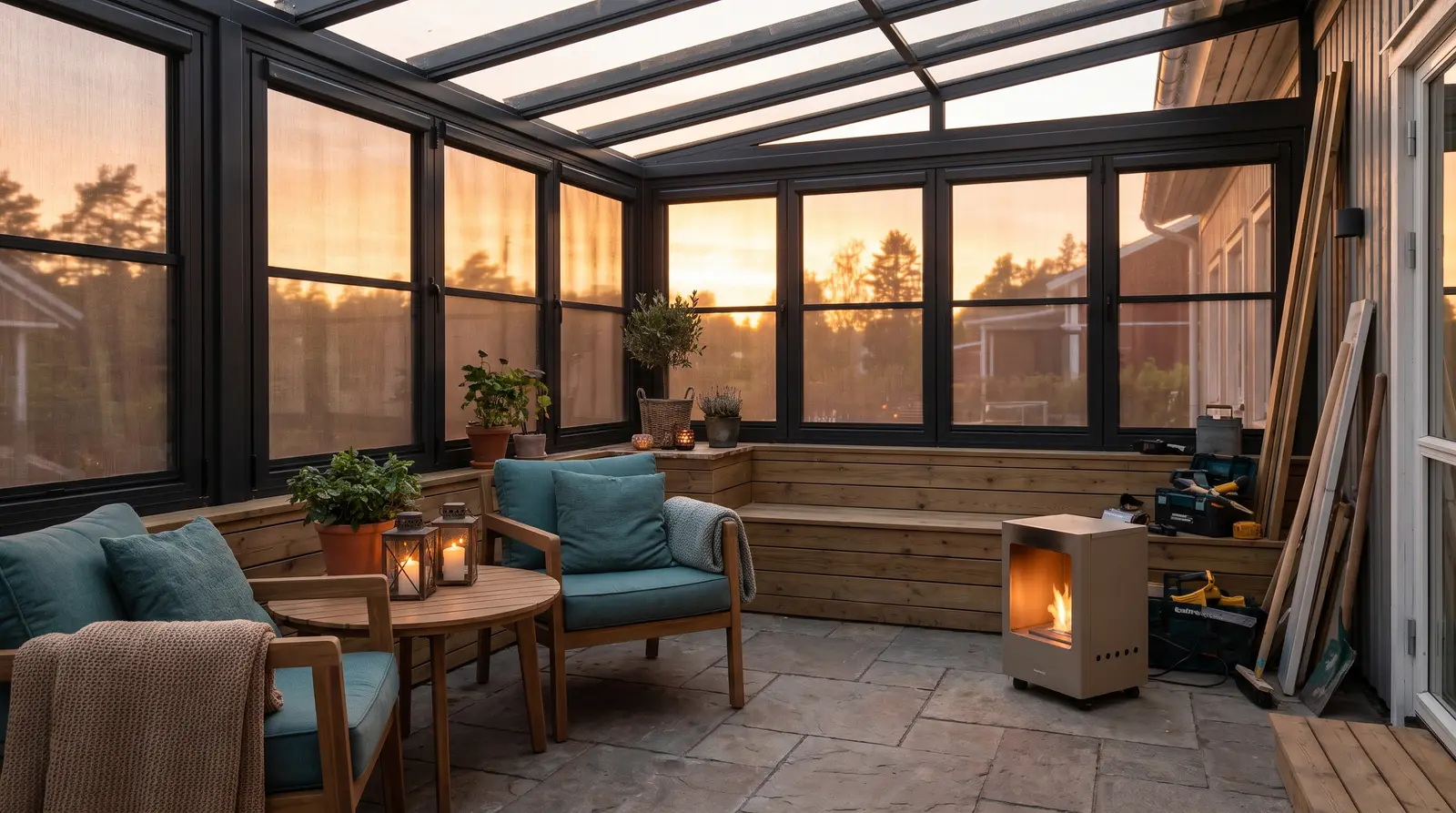
Alfresco enclosure council approval in South Australia usually depends on one thing: whether you are adding permanent structure or fitting retractable blinds to an already-approved patio. Retractable outdoor blinds on an existing approved structure are commonly treated as a minor addition and often do not require development approval, while permanent walls, glazing or a new roof generally do. This is general guidance only, the rules vary by council and by property, and you must confirm your own situation before you commit.
Key takeaways
- Retractable blinds on an existing, already-approved patio are the low-risk case and frequently need no separate approval.
- Fixed walls, permanent glazing, a new or extended roof, or anything that changes the building's footprint or floor area generally does require development approval.
- Heritage-listed properties, character overlays and anything visible from the street are treated differently and need a specific check.
- Confirm with your own council and check PlanSA before you sign a contract. Nothing on this page is a planning determination.
An important note on scope
We are not a planning authority, a council, a private certifier or a building surveyor, and this article is not legal or planning advice. It sets out the general pattern Adelaide homeowners encounter so you know what questions to ask and what to check. Your own council is the authority on your property, and the South Australian planning system is administered through PlanSA, where the Planning and Design Code and the online application portal both sit.
Two properties on the same street can land differently depending on overlays, heritage listing, setbacks and what was originally approved. Always confirm your own case.
The distinction that usually decides it
South Australian planning generally distinguishes between work that alters a building and work that does not.
Fitting retractable outdoor blinds to the open sides of an existing, lawfully approved patio or verandah typically does not create new floor area, does not change the roof, does not alter the building footprint and can be retracted at any time. In many cases that is treated as a minor or exempt addition rather than development requiring consent.
Enclosing the same patio with fixed walls, permanent glazing, a solid infill panel or a new roof structure is a different proposition. That commonly does constitute development, because it changes the building's form and often its classification, and it usually requires planning consent, building consent, or both.
The grey area sits between those 2 poles. Semi-permanent panels, fixed polycarbonate infills, or an enclosure so complete that the space starts functioning as a habitable room are the ones worth asking about specifically rather than assuming.
What commonly triggers a check in Adelaide
Several factors reliably make the answer more complicated, and each is worth a call to your council before you order anything.
Heritage and character. State heritage places, local heritage places and properties inside a Historic Area or Character Area Overlay are assessed against different provisions. Large parts of Unley, Norwood Payneham St Peters, Burnside, Prospect and the Adelaide City Council area carry these overlays. Even a change that would be trivial elsewhere can require consent here, particularly if it is visible from a public road.
Street-facing work. A rear alfresco screened by the house is a very different case from a front verandah enclosure on a main road. Anything that changes how the property presents to the street attracts more scrutiny.
The structure's own approval status. If the existing patio or pergola was built without approval, that is the real issue, and enclosing it does not fix it. This comes up regularly on older additions and on properties bought with work already done. Worth resolving before you spend money on blinds.
Boundary and setback conditions. A patio built close to a boundary may have been approved subject to conditions about openness. Enclosing it can conflict with those conditions.
Community title and strata. Not a council matter, but it stops projects just as effectively. Apartments, townhouses and community-titled properties usually need body corporate approval for anything altering the external appearance, which includes blinds. That is a separate approval from anything council related and is covered further in our post on outdoor blinds for a balcony.
How to confirm your own situation
Do this before you accept a quote, not after.
- Identify your council. The SA Government council directory lists every South Australian council with contact details.
- Look up your property on PlanSA to see which zones and overlays apply, particularly any heritage or character overlay.
- Call or email your council's planning duty officer. Describe exactly what you are doing: retractable blinds, how many openings, whether anything is fixed, and whether it is visible from the street. Most councils answer this kind of question readily.
- Ask for the answer in writing, even a short email. If you sell the house or a neighbour queries the work, that email is what you want to have.
- Check the original approval for the patio itself, which your council can usually locate from the property file.
That process costs nothing and takes a week at most. It is far cheaper than removing an enclosure.
What installers can and cannot tell you
Experienced Adelaide installers have fitted hundreds of enclosures and have a good working sense of what generally passes without approval in their local area. That is useful context and worth asking about.
It is not a determination. An installer's opinion does not bind a council, and the responsibility for having appropriate approvals sits with the property owner, not the tradesperson. Treat installer experience as a prompt to check, never as the check itself.
Ask any installer quoting your job whether the system they are proposing is fully retractable, whether anything is fixed permanently, and whether they have done work in your council area before. Those answers help you frame the question you put to the council.
Practical implications for how you design the enclosure
If approval is a concern, the design choices that keep you in the simpler category are consistent.
Fully retractable blinds in a track-guided system stay retractable. Nothing is permanently fixed across the opening, the space reverts to an open patio in seconds, and the structure is unchanged. That is the cleanest position and one reason track-guided systems dominate Adelaide alfresco work at $900 to $2,000 per opening.
Avoid fixed infill panels, permanent glazing and anything that turns an opening into a wall unless you have confirmed approval. Do not add or extend roofing as part of the same job without checking.
Do not convert the space into something a council would reasonably call a habitable room, with fixed walls, permanent flooring and full weather sealing, and assume it stays a patio in planning terms.
Next steps
Confirm your position with your council and PlanSA first. Then compare systems and prices with a clear head.
We pass your enquiry to a local Adelaide installer who quotes on site. Ask them to explain exactly what is fixed and what retracts, so you have accurate information to take to your council. Start with the alfresco and patio blind options, price the project with the alfresco enclosure cost estimator, or read how to enclose an alfresco in Adelaide for the full build detail. When you are ready, request a free quote.
Again: this is general information, not planning advice, and the rules differ by council, by overlay and by property. Your council and PlanSA are the authorities on your own case.